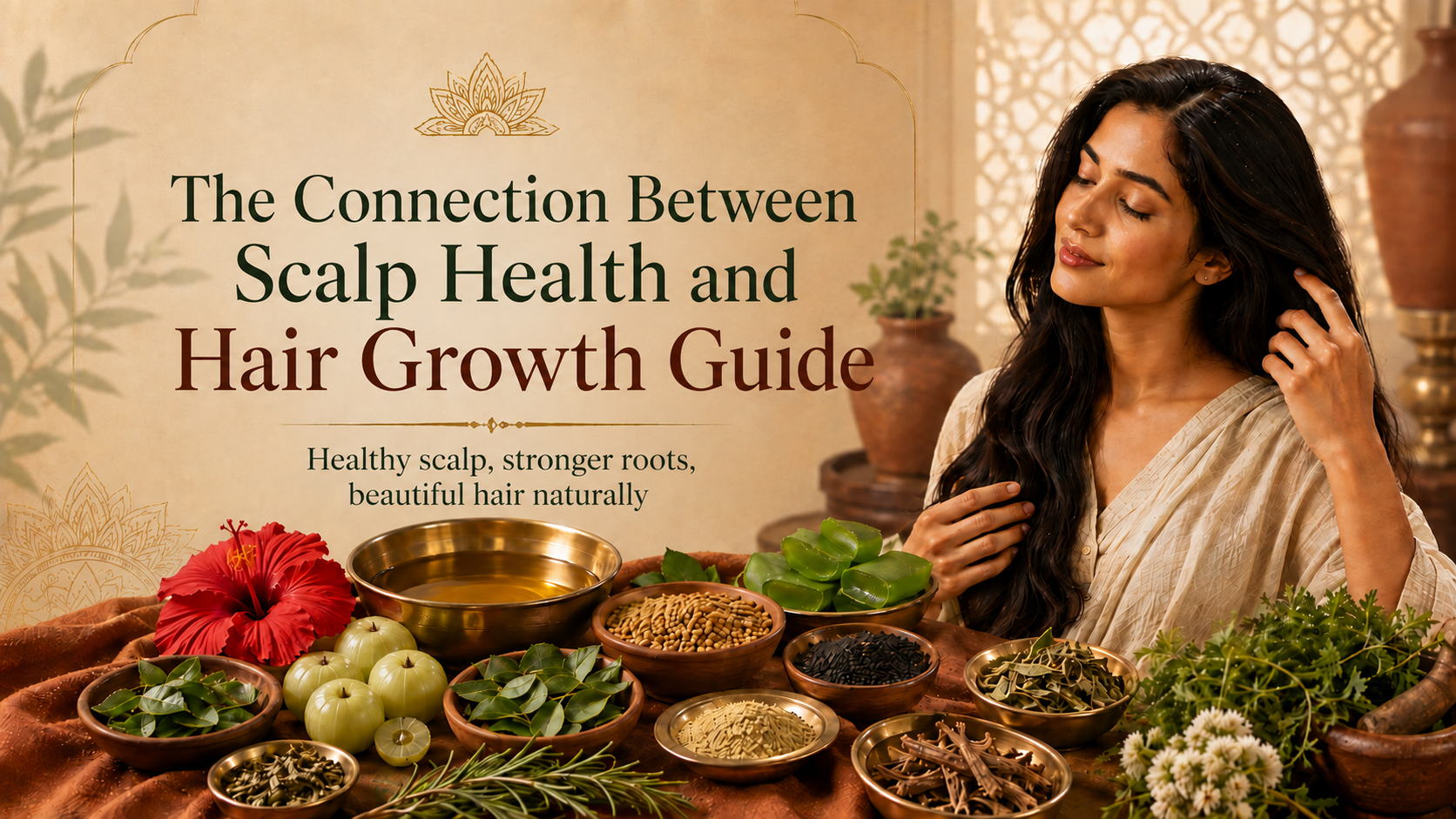
The Connection Between Scalp Health and Hair Growth
Healthy hair begins with a healthy scalp. While many people focus on shampoos, conditioners, and hair oils, they often overlook the importance of scalp care. Your scalp is the foundation where every hair strand grows. If your scalp is dry, inflamed, clogged, or unhealthy, your hair may become weak, thin, or prone to excessive shedding.
Understanding the relationship between scalp health and hair growth can help you choose the right hair care routine and improve your hair naturally. Whether you’re experiencing hair thinning, dandruff, or slow hair growth, maintaining a healthy scalp is one of the best long-term solutions.
In this guide, we’ll explain how scalp health influences hair growth and share practical tips to keep your scalp in the best condition.
Why Is Scalp Health Important?
The scalp contains thousands of hair follicles, tiny structures responsible for producing new hair. These follicles need oxygen, nutrients, and proper blood circulation to grow healthy strands.
When your scalp is healthy, hair follicles remain active and can complete their natural growth cycle efficiently. However, an unhealthy scalp may cause:
- Hair thinning
- Increased hair shedding
- Weak hair roots
- Slow hair growth
- Itchy scalp
- Dandruff
- Excess oil production
Taking care of your scalp creates the ideal environment for stronger, healthier hair.
Understanding the Hair Growth Cycle
Hair grows in three main stages:
1. Anagen (Growth Phase)
This is the active growth stage that lasts between 2 to 7 years. Healthy follicles produce strong, thick hair during this phase.
2. Catagen (Transition Phase)
Hair growth slows as the follicle prepares for resting.
3. Telogen (Resting Phase)
Old hair naturally sheds, making room for new hair growth.
Poor scalp health can shorten the growth phase and increase hair shedding.
How Does Poor Scalp Health Affect Hair Growth?
Several scalp conditions interfere with healthy hair growth.
Clogged Hair Follicles
Oil, dirt, dead skin cells, and product buildup can block hair follicles, reducing oxygen and nutrient delivery.
Common causes include:
- Excessive styling products
- Infrequent washing
- Pollution
- Heavy silicone products
Clean follicles support better hair growth.
Dandruff
Dandruff causes itching, flaking, and irritation. Persistent scratching can weaken hair roots and increase hair fall.
Using gentle scalp treatments can help restore balance.
Excess Oil Production
An oily scalp attracts dirt and bacteria. While natural oils protect the scalp, excessive sebum may clog follicles and create an unhealthy environment.
Dry Scalp
A dry scalp lacks moisture and often becomes irritated, flaky, and itchy. Chronic dryness may affect follicle function and lead to brittle hair.
Scalp Inflammation
Inflammation damages follicles and may contribute to excessive hair loss.
Common triggers include:
- Allergic reactions
- Harsh chemicals
- Scalp infections
- Autoimmune conditions
Reducing inflammation supports healthier hair growth.
Signs of an Unhealthy Scalp
Watch for these warning signs:
- Constant itching
- White flakes
- Redness
- Tenderness
- Excess oil
- Dry patches
- Hair thinning
- Slow hair growth
- Bad scalp odor
If symptoms persist, consult a dermatologist or hair specialist.
Nutrients Your Scalp Needs
Healthy follicles require essential nutrients to function properly.
Protein
Hair is primarily made of keratin, a protein essential for hair strength.
Good sources include:
- Eggs
- Fish
- Chicken
- Lentils
- Beans
Iron
Iron helps carry oxygen to hair follicles.
Foods rich in iron:
- Spinach
- Red meat
- Chickpeas
- Pumpkin seeds
Zinc
Zinc supports follicle repair and healthy scalp tissue.
Sources include:
- Nuts
- Seeds
- Seafood
Biotin
Biotin supports keratin production and stronger hair.
Good sources:
- Eggs
- Almonds
- Sweet potatoes
Omega-3 Fatty Acids
Healthy fats reduce scalp dryness and inflammation.
Foods include:
- Salmon
- Walnuts
- Flaxseeds
- Chia seeds
Improve Blood Circulation for Better Hair Growth
Good blood circulation delivers nutrients directly to hair follicles.
Ways to improve circulation:
- Daily scalp massage
- Regular exercise
- Proper hydration
- Stress management
Even a five-minute scalp massage each day may support healthier hair over time.
The Benefits of Herbal Hair Oils
Natural herbal oils nourish both the scalp and hair.
Popular ingredients include:
- Rosemary Oil
- Amla
- Bhringraj
- Hibiscus
- Black Seed Oil
- Fenugreek
- Coconut Oil
- Castor Oil
These ingredients help moisturize the scalp, improve circulation, reduce dryness, and strengthen hair roots.
Keep Your Scalp Clean
Regular cleansing removes:
- Sweat
- Excess oil
- Dead skin cells
- Dust
- Product residue
Choose a mild shampoo suitable for your scalp type.
Avoid washing too frequently if your scalp is naturally dry.
Avoid Harsh Chemicals
Frequent exposure to harsh products may damage the scalp.
Limit:
- Bleach
- Strong hair dyes
- Sulfate-heavy shampoos
- Alcohol-based styling products
Opt for gentle, scalp-friendly formulas whenever possible.
Protect Your Scalp from Sun Damage
The scalp can suffer from UV exposure just like your skin.
Protect it by:
- Wearing a hat outdoors
- Avoiding prolonged sun exposure
- Using UV-protective hair products
Reduce Stress
Chronic stress may push more hairs into the shedding phase.
Healthy stress-management habits include:
- Meditation
- Yoga
- Regular exercise
- Quality sleep
- Deep breathing
Managing stress benefits both your overall health and your hair.
Common Mistakes That Damage Scalp Health
Avoid these habits:
- Using extremely hot water
- Scratching your scalp
- Overwashing
- Skipping regular shampooing
- Applying too many styling products
- Sleeping with dirty hair
- Ignoring dandruff
- Wearing overly tight hairstyles
Small changes can make a significant difference over time.
Build a Healthy Scalp Care Routine
An effective routine includes:
- Cleanse your scalp 2–3 times per week (or as needed).
- Massage your scalp regularly.
- Use herbal hair oil before washing.
- Eat a nutrient-rich diet.
- Stay hydrated.
- Avoid harsh chemicals.
- Get enough sleep.
- Manage stress consistently.
Consistency is key to achieving healthier hair.
When to See a Hair Specialist
Seek professional advice if you experience:
- Severe hair loss
- Bald patches
- Persistent scalp irritation
- Painful scalp
- Heavy dandruff that doesn’t improve
- Sudden thinning
Early diagnosis can help address underlying conditions before they worsen.
Final Thoughts
Healthy hair starts beneath the surface. Your scalp provides the foundation for every strand of hair, making scalp care just as important as hair care. By keeping your scalp clean, well-nourished, hydrated, and free from irritation, you create the ideal environment for stronger, thicker, and healthier hair growth.
Simple daily habits—such as maintaining good hygiene, eating a balanced diet, using herbal hair oils, and managing stress—can significantly improve scalp health over time. Combined with patience and consistency, these practices can help reduce hair fall and support naturally beautiful hair.